

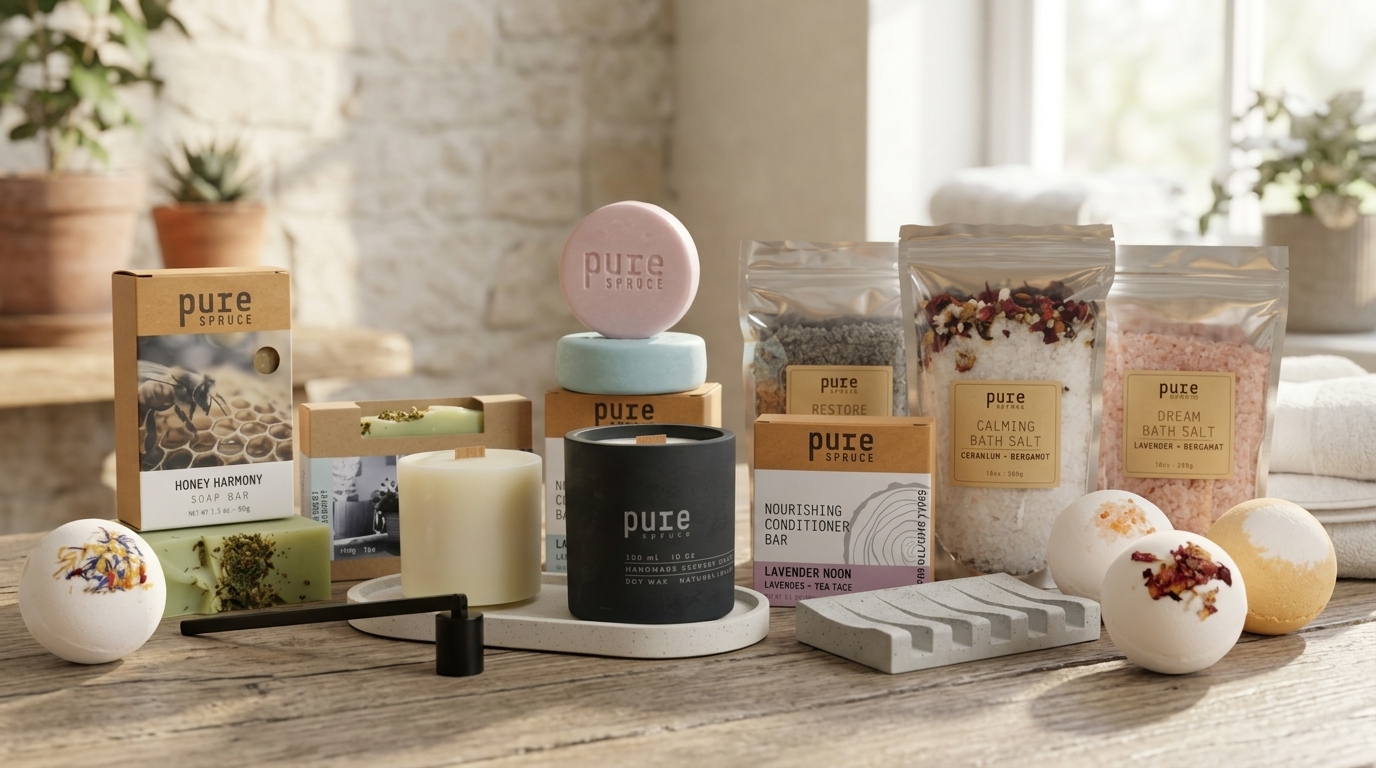
How to Choose Natural Skin Care Products
A product can look clean on the shelf, smell like a botanical garden, and still leave your skin feeling tight, reactive, or overwhelmed. That is why choosing natural skin care products is less about pretty packaging and more about understanding what your skin actually wants – and what your routine can do without.
For many people, the shift starts with fatigue. Fatigue from long ingredient lists, overpowering synthetic scents, and products that promise calm while creating irritation. Natural skin care products appeal because they offer something simpler and more grounded: plant-based oils, mineral-rich clays, essential oils, and gentle cleansers that support the skin instead of fighting it.
What natural skin care products really mean
There is no single universal definition of “natural,” which is where confusion begins. Some brands use the word to describe formulas built mostly from botanical and mineral ingredients. Others use it loosely, even when the formula still relies heavily on synthetic fillers, artificial fragrance, or harsher preservatives.
That does not mean every synthetic ingredient is automatically bad, or that every natural ingredient is right for every person. It means the best natural skin care products are usually transparent about what is inside, why it is there, and what they choose to leave out.
For a values-led shopper, that often includes formulas made without parabens, sulfates, synthetic colours, artificial fragrances, palm oil, or animal products. Those exclusions matter because they reflect a wider philosophy: caring for your skin in a way that also respects your home, your habits, and the environment around you.
Why ingredient simplicity matters
Skin can become overwhelmed when too many active ingredients, harsh detergents, or heavily perfumed formulas are layered into one routine. Simpler formulas are not automatically better, but they are often easier to understand and easier to tolerate.
A bar soap made with plant oils and clays, for example, may feel more comfortable on the skin than a conventional wash loaded with synthetic fragrance and stripping surfactants. A shampoo bar with thoughtfully chosen botanicals may support the scalp without the heavy residue or unnecessary additives found in some liquid formulas. The same principle applies across body care: fewer distractions, more intention.
This is especially useful if your skin tends to feel dry after cleansing, reacts to strong fragrance, or changes with the seasons. In winter, skin may crave richer butters and oils. In summer, it may prefer lighter hydration and gentle exfoliation. The goal is not perfection. It is paying attention.
How to read a label without overthinking it
You do not need to memorize every cosmetic ingredient to shop well. Start by looking at the first several ingredients, since they usually make up the bulk of the formula. If you see plant oils, botanical extracts, clays, salts, or gentle cleansing agents near the top, that is often a good sign.
Then look at the fragrance story. If a product simply says “fragrance” or “parfum,” that can be vague. If it specifies essential oils or clearly identifies the scent source, the formula is often more transparent. That said, even essential oils can be too much for very sensitive skin, so natural does not always mean universally gentle.
It also helps to notice what is not included. Brands that clearly state they avoid sulfates, artificial fragrances, synthetic dyes, parabens, or animal-derived ingredients are giving you useful information up front. That kind of clarity saves time and builds trust.
Natural skin care products by skin need
The right product depends less on trends and more on how your skin behaves day to day. Dry skin usually responds well to nourishing oils, creamy lathers, and formulas that cleanse without leaving that squeaky, stripped feeling. Ingredients like shea butter, cocoa butter, olive oil, and avocado oil can be especially comforting.
If your skin is easily irritated, keep your routine quiet. Look for mild formulas with short ingredient lists and soft scent profiles. Oat-based ingredients, clays, aloe, and unscented or lightly scented options can be a better fit than anything intensely fragrant, even if that fragrance comes from essential oils.
For oily or combination skin, balance matters more than aggressive cleansing. Clay-based soaps, salt soaks, and lighter plant oils can help refresh the skin without pushing it into rebound dryness. When the skin barrier feels respected, it often becomes easier to manage.
And if your concern is less about sensitivity and more about creating a ritual you will actually enjoy, scent and texture matter. A mineral soak, a creamy plant-based bar, or a botanical candle in the background can turn everyday care into something that feels restorative instead of rushed.
The trade-offs worth knowing
Natural skin care products can be a beautiful choice, but they are not magic. Some do not lather as dramatically as conventional formulas because they skip harsh foaming agents. Some have subtler scents because they avoid artificial fragrance. Some vary slightly from batch to batch because real botanicals are not manufactured to smell or look exactly the same every time.
For many people, those are not drawbacks. They are part of the appeal. A handcrafted soap that reflects its ingredients honestly can feel more reassuring than a mass-market formula engineered for uniformity above all else.
Still, it depends on your expectations. If you want a strong perfume-like scent that lingers all day, a fully natural product may feel softer than what you are used to. If your skin is highly reactive, even natural botanicals may need patch testing. Good skin care is rarely about extremes. It is about fit.
Why bars and small-batch formulas are having a moment
There is a reason more people are replacing bottled basics with bars. Shampoo bars, conditioner bars, facial bars, and body soaps often use less packaging, take up less space, and support a lower-waste routine without making daily care feel clinical.
Small-batch production adds another layer of intention. It tends to align with fresher inventory, artisan craftsmanship, and more thoughtful ingredient selection. That matters when you are trying to step away from heavily processed products and toward something more personal.
This is where wellness and sustainability start to overlap in a real way. The products in your shower, beside your sink, and around your bath can support your skin while also reducing unnecessary plastic and avoiding ingredients that do not align with your values.
Building a routine that feels calm, not complicated
A natural routine does not need ten steps. For most people, a gentle cleanse, consistent moisture, and one or two ritual pieces are enough. That might look like a nourishing soap or cleanser, a body oil or butter, and a weekly bath soak when your body needs rest.
If you are also rethinking your home environment, the same mindset carries over. Clean-burning soy candles and naturally scented bath products can help create a space that feels more peaceful, especially if artificial fragrance has started to feel overwhelming. Skin care is not separate from the atmosphere around you. The two work together.
This is one reason giftable, curated body care has become so popular. People are not just buying products. They are buying a feeling – calm, comfort, softness, and a sense of coming back to themselves at the end of the day.
What to look for in a brand
Beyond ingredients, pay attention to how a brand communicates. Do they explain their formulas clearly? Are their standards easy to find? Do they speak with care and conviction, or hide behind vague marketing language?
The best natural brands tend to be specific. They tell you when a product is plant-based, handcrafted, cruelty-free, or made without common irritants. They understand that your purchase is not only about skin results. It is also about trust.
A thoughtful brand also sees the bigger picture. Clean personal care, mindful scent, reduced waste, and ingredient transparency belong together. When that philosophy shows up consistently across soaps, hair care, bath rituals, and home fragrance, it creates a lifestyle that feels coherent rather than performative.
Choosing natural skin care products is really about choosing what you want more of in your daily life. More comfort. More clarity. More ingredients you recognize. More rituals that feel grounding instead of excessive. If that sounds like the direction you are heading, visit PureSpruce.com and explore products made to bring calm, care, and intention into the everyday.
Best Selling
COPYRIGHT 2026 © PURE SPRUCE. ALL RIGHTS RESERVED