

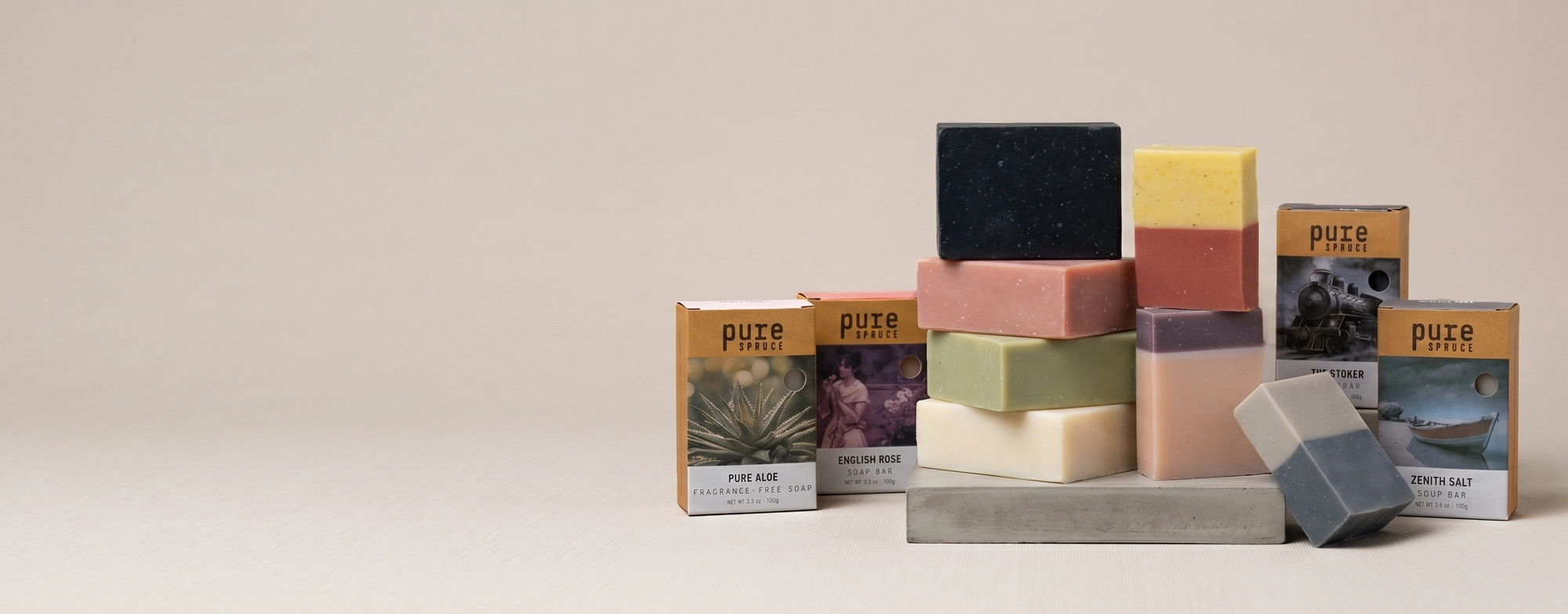
How to Choose a Plant Based Soap Bar
A soap bar can sit by the sink for weeks, maybe months, touching your skin every day , and yet many people still treat it like an afterthought. If you have been searching for a plant based soap bar, you are likely looking for more than something that simply gets the job done. You want a bar that feels good on the skin, smells naturally beautiful, and aligns with the way you want to live.
That shift matters. Soap is one of the easiest places to simplify your routine without lowering your standards. A well-made bar can cleanse gently, support a calmer daily ritual, and help reduce the long list of ingredients and excess packaging that often come with conventional body care.
What makes a plant based soap bar different?
At its core, a plant based soap bar is made with ingredients derived from plants rather than animal fats or heavily synthetic additives. That usually means oils and butters such as olive, coconut, shea, or cocoa butter form the base, while botanicals, clays, and essential oils add character, scent, and skin feel.
The difference is not only about what is included. It is also about what is left out. Many shoppers specifically seek bars that avoid parabens, sulfates, synthetic colours, artificial fragrances, palm oil, and animal products. For anyone trying to create a cleaner routine at home, those exclusions can be just as meaningful as the ingredient list itself.
A good bar should still be judged by performance. Plant-based does not automatically mean better for every person or every skin type. Some formulas are deeply creamy and nourishing, while others are more clarifying or richly bubbly. The best choice depends on how your skin feels after washing, how strong you want the scent to be, and whether your priority is moisture, exfoliation, or a fresh clean rinse.
Why more people are switching to a plant based soap bar
There is a practical reason this category keeps growing. Many people are tired of body care that smells overly sweet, leaves skin feeling tight, or comes in plastic bottles that disappear quickly and pile up in the bin. A thoughtfully made soap bar offers a simpler alternative.
For health-conscious households, ingredient transparency is a major part of the appeal. It feels easier to trust a short, recognizable formula built around oils, botanicals, and mineral-rich clays than a long label filled with hard-to-pronounce additives. That does not mean every natural ingredient is right for everyone, but it does make it easier to shop with intention.
There is also the sensory side. A handcrafted bar often brings more character to the bath or shower than a standard wash. You notice the creamy lather, the grounding scent of essential oils, the subtle texture of natural clays, and the sense that a small daily habit can feel calming instead of rushed.
Then there is the environmental piece. A bar format usually means less packaging, less water weight during shipping, and a more compact product overall. For people trying to make small, repeatable low-waste choices, soap is a natural place to start.
How to read the label on a plant based soap bar
The front of the package usually tells a lovely story. The ingredient list tells the real one.
Start with the base oils. Olive oil is often associated with a gentle, conditioning wash. Coconut oil can boost cleansing power and lather, though in high amounts it may feel drying for some skin types. Shea butter and cocoa butter tend to bring a richer, softer feel. Castor oil is often used in smaller amounts to help create a stable, creamy lather.
Next, look at the scent source. If you prefer a more natural aromatic experience, essential oils are often the better fit than artificial fragrance blends. They can create beautiful, grounded scents, but they are also more nuanced and usually less loud than synthetic fragrance. That is a benefit for many people, though those with very sensitive skin may still prefer unscented options.
Clays and botanicals can add both visual beauty and function. French green clay, kaolin clay, oatmeal, lavender, calendula, and charcoal all show up in natural bars for different reasons. Some help absorb excess oil, some soften the cleansing experience, and some provide a mild exfoliating effect.
Finally, read the exclusions with care. Claims like cruelty-free, vegan, palm oil free, and free from synthetic colours or sulfates can help narrow the field. They are especially useful if your buying choices are tied to both skin comfort and environmental values.
Choosing the right bar for your skin and routine
The best soap bar is not the one with the longest list of benefits. It is the one you will actually enjoy using every day.
If your skin tends to feel dry or easily irritated, look for bars built around nourishing plant oils and butters with a gentler scent profile. Creamier formulas often suit colder Canadian months, when indoor heat and winter air can leave skin feeling stripped.
If you prefer that extra-fresh just-showered feeling, a bar with clay or charcoal may be appealing. These can feel especially satisfying after workouts, gardening, or humid summer days. The trade-off is that some clarifying bars can be a bit much for dry or reactive skin if used too often.
For hands, a well-balanced bar matters even more than people think. Frequent washing can quickly show whether a formula is too harsh. A plant based soap bar that rinses clean while leaving hands comfortable can make a noticeable difference in everyday life, especially in households where soap gets used constantly.
Scent is personal, and it shapes the ritual more than most ingredient charts ever will. Citrus and mint can feel bright and energizing. Lavender, cedarwood, and other herbal or woodsy blends often feel calmer and more grounding. Neither is better. It depends on whether you want your shower to wake you up or help you slow down.
The ingredient standards worth caring about
Not every shopper is looking for perfection, but many are looking for peace of mind. That is where ingredient standards become more than marketing language.
A bar made without parabens, sulfates, synthetic colours, artificial fragrances, palm oil, or animal products reflects a clearer set of values. It says the product was created with care for both the person using it and the wider impact of making it. That kind of formulation tends to resonate with people who are simplifying their homes and paying closer attention to what comes into daily contact with their bodies.
Small-batch production can matter here too. Handcrafted soap often feels more intentional because it is. The ingredients are selected for a purpose, the scent profile is less generic, and the finished bar has a character that mass-market products often lack. At Pure Spruce, that intention shows up in the focus on natural ingredients, artisan craftsmanship, and a more mindful approach to daily care.
A plant based soap bar is also about the ritual
There is a reason people return to bar soap once they find the right one. It turns a basic task into a small sensory pause.
The feel of a solid bar in the hand is grounding. The lather builds slowly. The scent rises with the steam instead of hitting all at once. Even the visual simplicity of a beautiful bar resting on a soap dish can make a bathroom feel calmer and more considered.
That may sound small, but routines are built from small things. If your goal is a home that feels cleaner, quieter, and more aligned with your values, the products you use every day carry that feeling forward. A soap bar is not just about cleansing. It can support the kind of self-care that feels steady, unfussy, and real.
When you choose one made with plant-derived ingredients, natural fragrance, and biodegradable materials, you are also choosing a version of personal care that asks less of the planet. That does not make every bar identical, and it does not mean one formula suits everyone. It simply means you have better options than harsh washes and throwaway packaging.
A good plant based soap bar should leave your skin feeling clean, your senses gently lifted, and your routine a little more intentional. That is a modest change, but often the best wellness habits start exactly that way.
Best Selling
COPYRIGHT 2026 © PURE SPRUCE. ALL RIGHTS RESERVED